Movie Review:
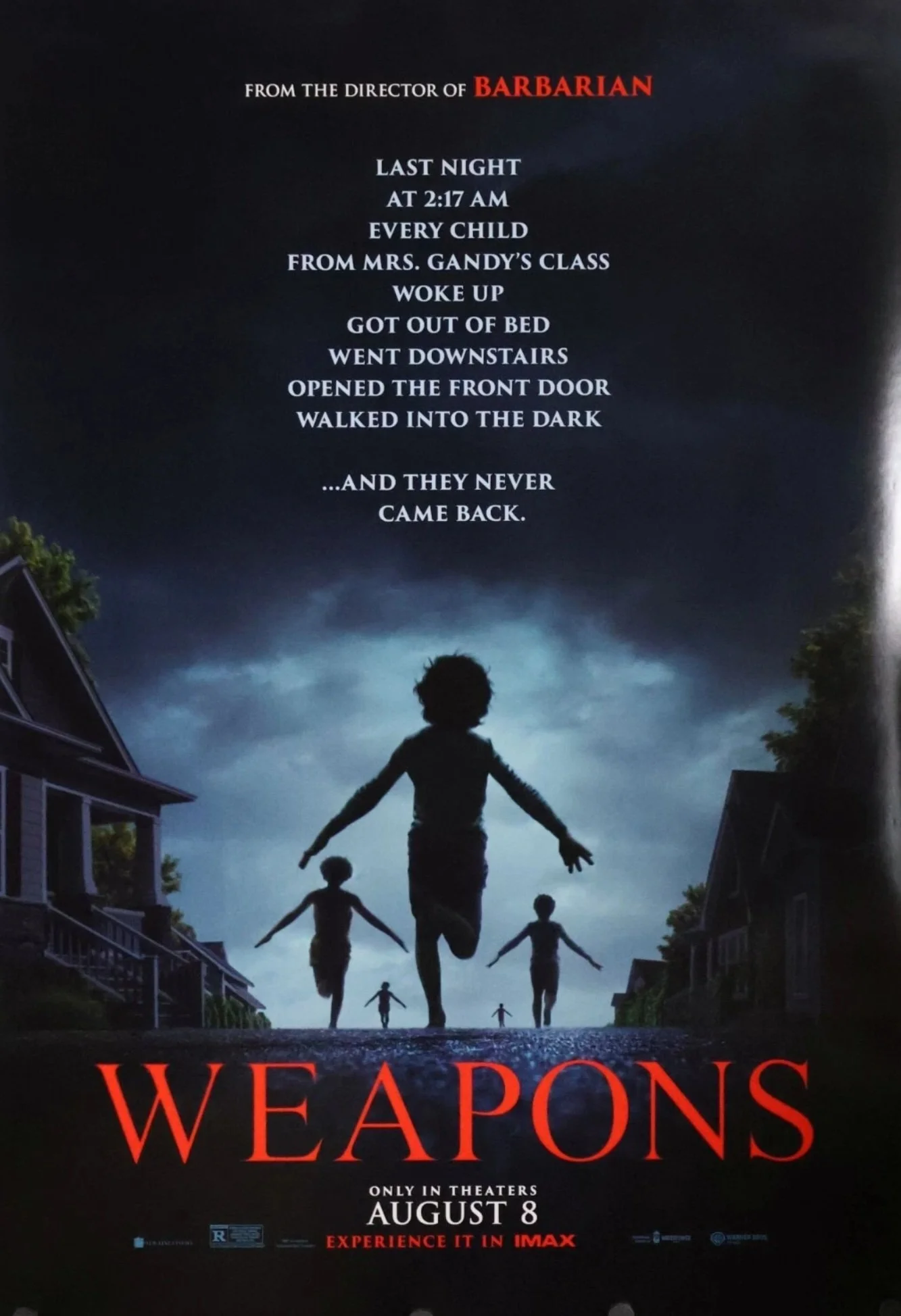
Film Review: Weapons
Director: Zach Cregger
Cast: Julia Garner, Josh Brolin, Alden Ehrenreich, Amy Madigan
Zach Cregger, the writer-director who surprised everyone with the 2022 breakout hit Barbarian, has returned with a sprawling, ambitious, and utterly chilling ensemble horror film, Weapons. Far from being a simple, contained horror flick, this is an epic mystery that uses its genre trappings to explore themes of grief, paranoia, and collective social trauma.
The film immediately draws the viewer in with a deeply unsettling premise: 17 children from the same third-grade class in a small town named Maybrook all wake up at precisely 2:17 a.m. one night, walk out of their homes, and vanish without a trace. The remaining student, Alex (Cary Christopher), and their teacher, Justine Gandy (Julia Garner), are left to navigate a community consumed by suspicion and fear.
Cregger’s most audacious choice is in the film's structure, which has been widely compared to the interconnected narratives of Paul Thomas Anderson’s Magnolia. The story is told through multiple, time-scrambling chapters, each focusing on a different character—including the struggling, alcoholic Justine, the furious, grieving father Archer Graff (Josh Brolin), and a compromised local cop, Paul (Alden Ehrenreich). This fragmented, Rashomon-esque approach is a masterful tactic; it expertly fuels the central mystery, granting viewers only limited pieces of the puzzle at a time, and builds unbearable tension as these disparate lives collide.
The cast is phenomenal. Josh Brolin delivers a standout performance as a father consumed by rage and desperation, providing the film with its main emotional anchor. Julia Garner shines as Justine, capturing the character’s messy reality as she grapples with the town’s blame and her own inner demons.
While the film has garnered near-universal praise for its construction and atmosphere, some critics noted that the eventual supernatural reveal, while fitting, felt less complex than the labyrinthine build-up. Similarly, Cregger's commitment to creating flawed, thinly-drawn characters in service of the plot mechanics led a few reviewers to feel the script occasionally prioritized clever twists over deep character substance.
Ultimately, Weapons delivers a high-wire act of genre-bending brilliance. It is a wildly confident, visually striking film—featuring moments of visceral gore punctuated by a dark, knowing humor—that confirms Zach Cregger as a formidable new voice in horror. Even if the journey proves more satisfying than the destination for some, it is an unforgettable, high-stakes cinematic rollercoaster that demands to be seen.
Score: ★★★★½
Written By Emily Faulkner
Movie Review:
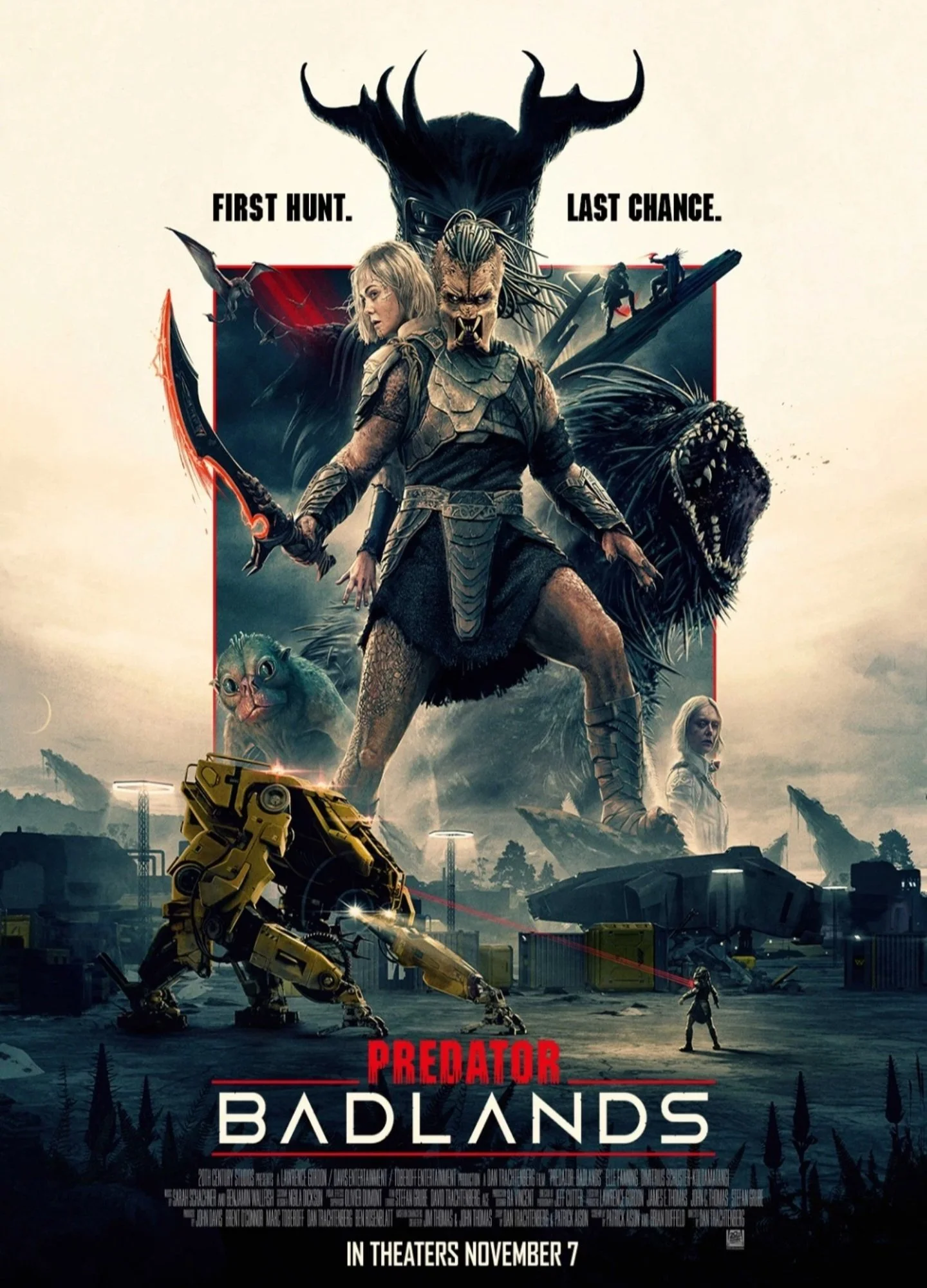
Predator: Badlands – A Visually Stunning Hunt That (Mostly) Hits the Mark
Rating: ★★★★☆
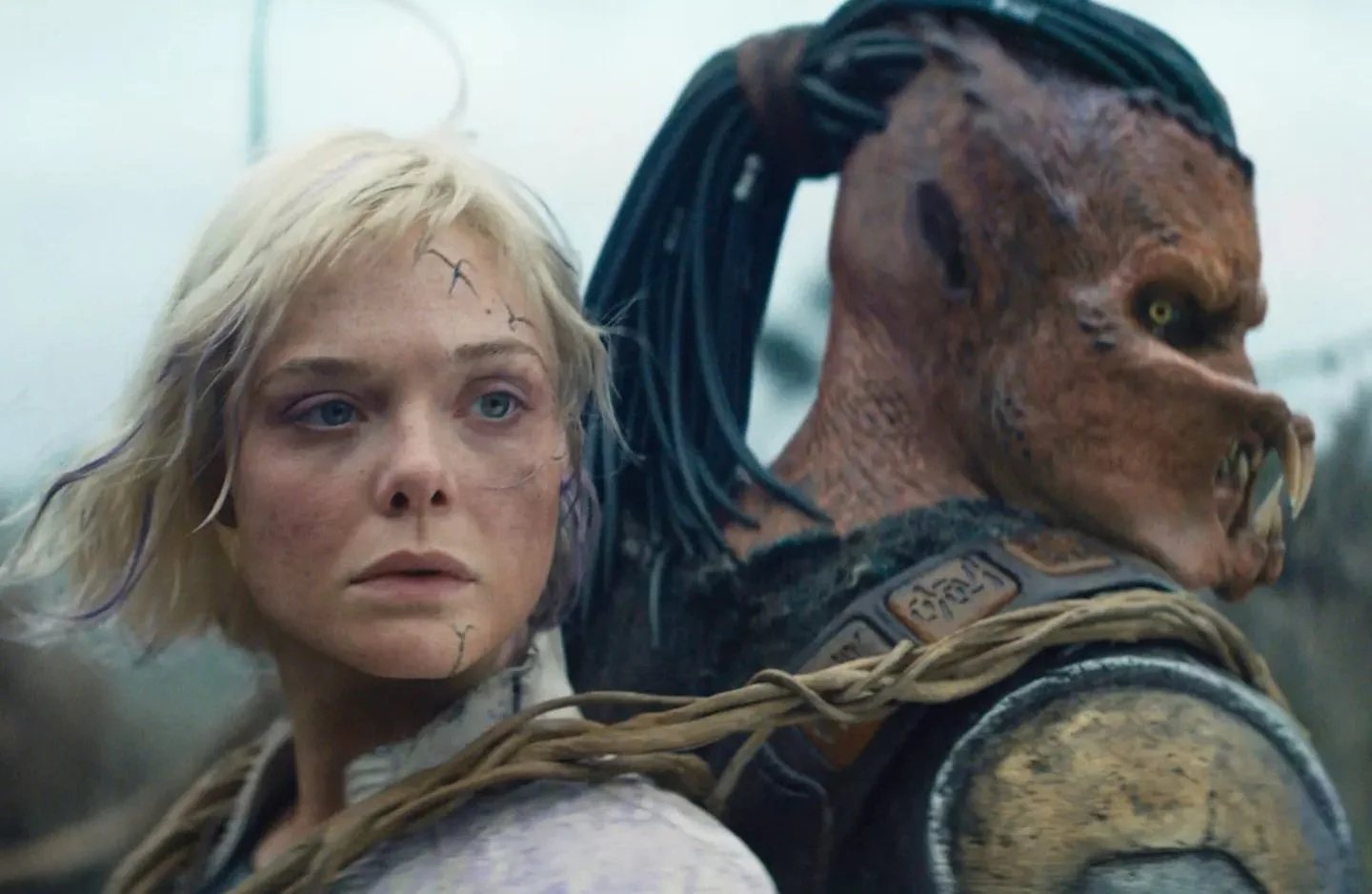
If Prey stripped the franchise back to its primal roots, Predator: Badlands boldly expands the horizon, giving us something we’ve never truly seen before: a Predator as the protagonist.
Director Dan Trachtenberg has delivered a sci-fi survival epic that is thrilling, beautiful, and unexpectedly emotional, even if it stumbles in the audio department.
The Action is Next-Level
The action sequences in this film are nothing short of spectacular. By shifting the perspective to Dek (the Yautja protagonist), the film reinvents how we experience the hunt. It isn't just about watching a monster stalk humans from the shadows anymore; it’s about seeing a master hunter improvise and survive against a hostile alien environment. The choreography is brutal and fluid, and the way Dek utilizes his gadgetry—and improvises new weapons when things go wrong—is pure adrenaline. It feels tactile and earned, avoiding the over-CGI’d mess of earlier sequels.
Elle Fanning Steals the Show.
It is genuinely surprising how much heart Elle Fanning brings to this movie. Playing Thia, a Weyland-Yutani synthetic, she navigates the "robot" tropes with incredible nuance. She manages to be precise and artificial while still conveying a deep, emerging soulfulness. Her chemistry with the Predator is the film's secret weapon; their unlikely alliance anchors the chaos, and Fanning proves once again that she can command the screen in any genre.
A Feast for the Eyes
Cinematographer Jeff Cutter deserves massive praise. The film is gorgeous. The alien planet of Genna is rendered with sweeping wide shots and a vibrant, dangerous color palette that makes the world feel vast and untamed. It’s a significant step up visually from the murky darkness often associated with the franchise. Every frame feels cinematic and epic, demanding to be seen on the biggest screen possible.
The One Downside: A Forgettable Score
However, for all its visual splendor, the film lacks a sonic identity. The musical score is the movie's only major disappointment. Where Alan Silvestri’s original themes were iconic and Sarah Schachner’s work on Prey was feral and haunting, the music here fades into the background. It serves the scene but never elevates it. There isn't a single memorable theme or hummable motif to take home with you, which is a shame given how grand the rest of the production feels.
Verdict:
Despite the lackluster soundtrack, Predator: Badlands is a triumph. It’s a fresh, daring evolution for the series that offers top-tier action and a standout performance from Elle Fanning. It proves this franchise still has plenty of blood left to bleed.
Review by Emily Faulkner.
Movie Review:
Jurassic World Rebirth: Stunning Spectacle, Extinct Story
Jurassic World Rebirth is a cinematic contradiction: a visually magnificent film that is narratively brain-dead.
Director Gareth Edwards was handed the keys to cinema’s most famous prehistoric theme park and delivered the most spectacular creature features the franchise has ever seen.
Unfortunately, he forgot to build any scaffolding for the story, resulting in a hollow, repetitive spectacle that collapses under the weight of its own digital excellence.
If you are going for sheer, awe-inspiring visual effects, look no further. This film is a technical marvel. Every penny of the budget is visible on screen, from the shimmering scales of the aquatic Mosasaurus to the genuinely terrifying, hulking design of the new hybrid menace, the six-limbed Distortus Rex. Edwards' command of scale and tension is undeniable, delivering heart-pounding set pieces—particularly the claustrophobic cave sequence and the opening shipwreck—that look, sound, and feel utterly real. The dinosaurs themselves are the true stars, rendered with such exquisite, tactile detail that they easily surpass the creatures in any recent blockbuster. On a purely visceral level, Rebirth is jaw-droppingly effective.
But the moment the creatures are off-screen and the focus returns to the human players, the film grinds to a tedious halt. Screenwriter David Koepp attempts a “rebirth” of the franchise by grafting two disparate and deeply uninteresting plots together: the cynical-mercenary-for-hire DNA extraction mission, and the entirely superfluous shipwrecked family subplot. These two narratives compete for screen time, resulting in whiplash pacing and zero emotional investment. The primary mission—to extract biomaterial for a cardiovascular drug—is so transparently illogical it barely serves as a pretense for getting people back on a dangerous island we’ve seen six times before.
Worst of all, the film wastes a truly phenomenal cast. Even the presence of an actor as magnetic and capable as Scarlett Johansson cannot salvage the material. As Zora Bennett, the disillusioned covert operative, Johansson is forced to coast on her established charisma, delivering a performance that feels entirely on autopilot. Her character’s predictable journey from cynical gun-for-hire to open-source altruist is so worn-out it belongs in a museum display labeled "Franchise Clichés." It’s a testament to the script’s anemic quality that a star of her caliber is unable to inject any genuine tension or originality into a role that merely remixes established character archetypes.
Jurassic World Rebirth proves that you can have the best visual effects team in the world, but if the foundational story is nothing more than a few scattered bones, the whole thing remains lifeless. It's loud, beautiful, and utterly forgettable.
Written by Emily Faulkner.

Movie Review:
Ghost Stories (2017)
A Masterclass in Terror: Why Ghost Stories is a Modern Horror Classic:
Every so often, a horror film comes along that doesn't just scare you—it unsettles you to your very core, lingering in the dark corners of your mind long after the credits roll.
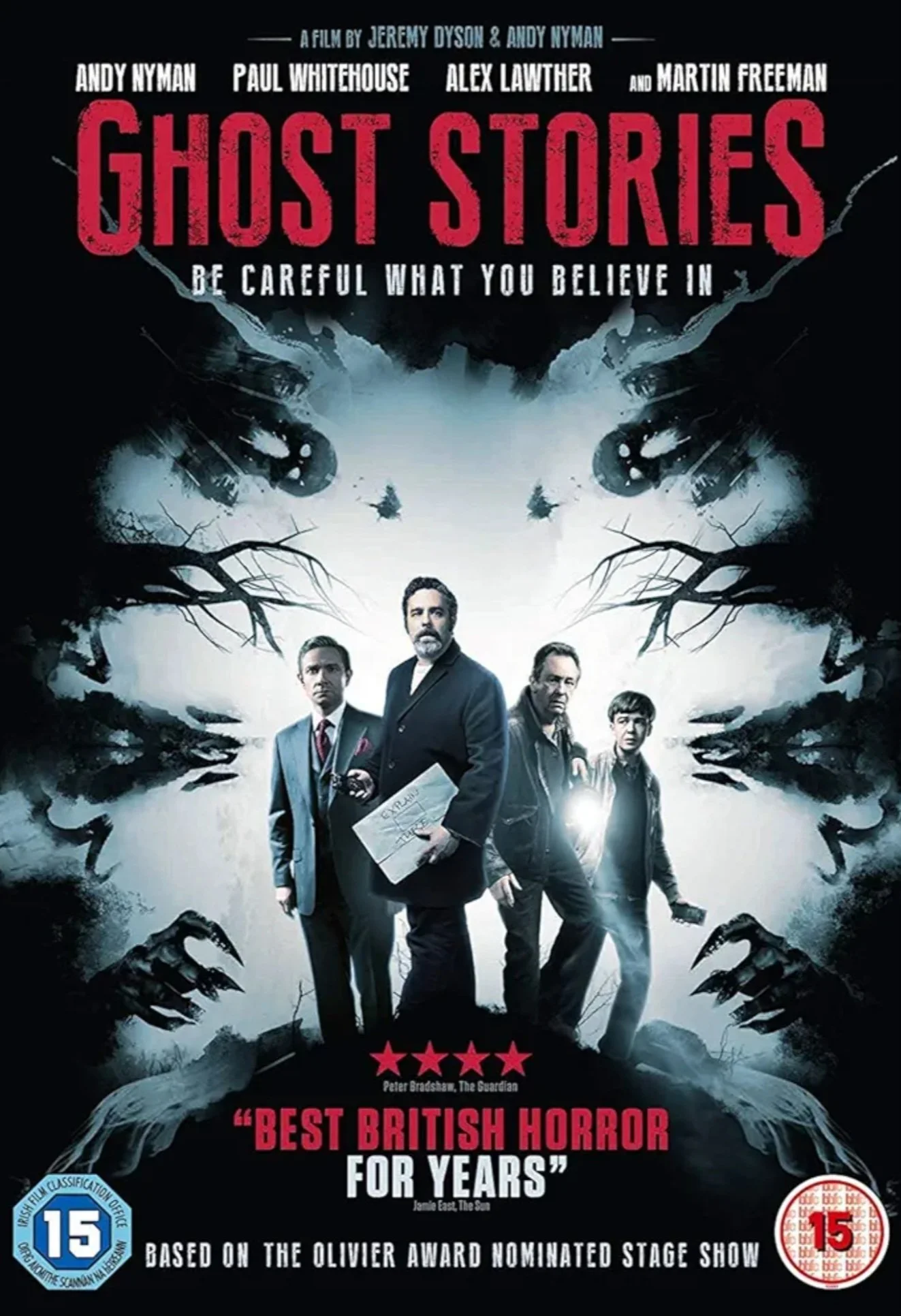
The 2017 adaptation of Ghost Stories, written and directed by Jeremy Dyson and Andy Nyman, is precisely that kind of masterpiece. It is a love letter to the British horror anthologies of the past, yet it stands entirely on its own as a sophisticated, psychologically complex, and truly terrifying piece of cinema.
A Storyline of Unparalleled Depth:
At first glance, Ghost Stories appears to be a traditional portmanteau film, but to view it only as such is to miss its genius. The narrative follows Professor Phillip Goodman, a professional skeptic and debunker of the supernatural. His world is one of logic and reason until he is challenged to solve three inexplicable "cold cases" that threaten to shatter his reality.
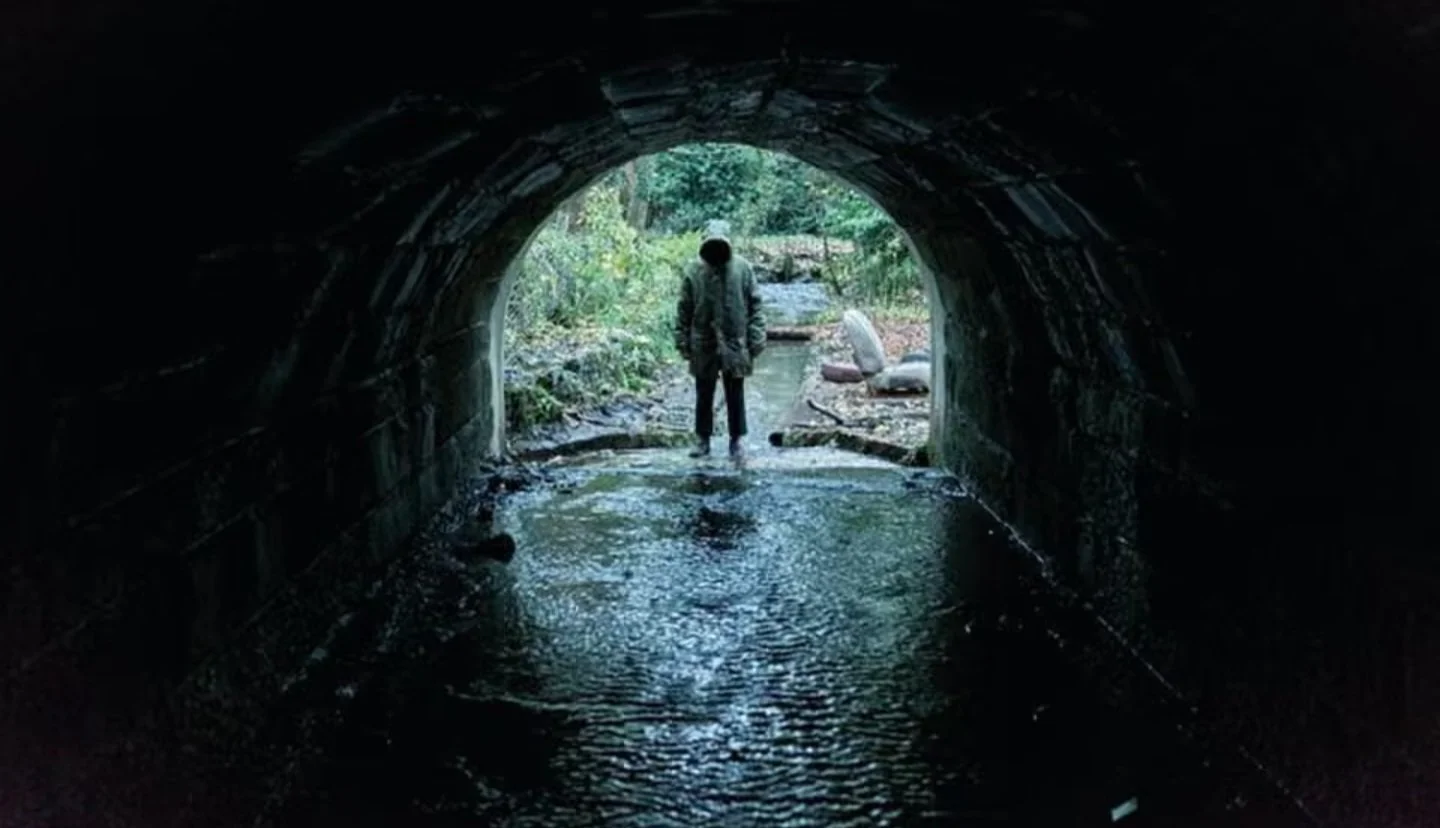
What makes the storyline so exceptional is its architectural precision. This isn't just a collection of scary moments; it is a puzzle box. The transition between the three vignettes—a lonely night watchman, a paranoid teenager, and a wealthy financier—is seamless, weaving a tapestry of guilt, trauma, and existential dread. The script respects the audience's intelligence, offering clues that only click into place during the film’s shattering conclusion. It balances genuine jump-scares with a suffocating atmosphere of dread that is rare in modern horror.
A Cast That Elevates the Genre:
The film's emotional weight rests entirely on its four central performances, all of which are nothing short of spectacular:
* Andy Nyman (Professor Goodman): Reprising his role from the stage play, Nyman is the perfect anchor for this descent into madness. He plays Goodman with a fascinating mix of arrogance and vulnerability. As the film progresses, watching his stoic facade crumble is a masterclass in subtle acting. He makes us care deeply about a man who spends his life telling others they are wrong.
* Paul Whitehouse (Tony Matthews): Known primarily for comedy, Whitehouse delivers a revelation of a performance. As the night watchman in the film's first story, he is heartbreakingly authentic. He captures the essence of a man hollowed out by loneliness and guilt, bringing a grounded, tragic humanity to a terrifying supernatural encounter.
* Alex Lawther (Simon Rifkind): Lawther is electric. In the second story, he plays a teenager tormented by a demonic encounter in the woods. His performance is a jittery, wide-eyed display of pure paranoia. He manages to be both deeply sympathetic and utterly unnerving, physically embodying the concept of fear.
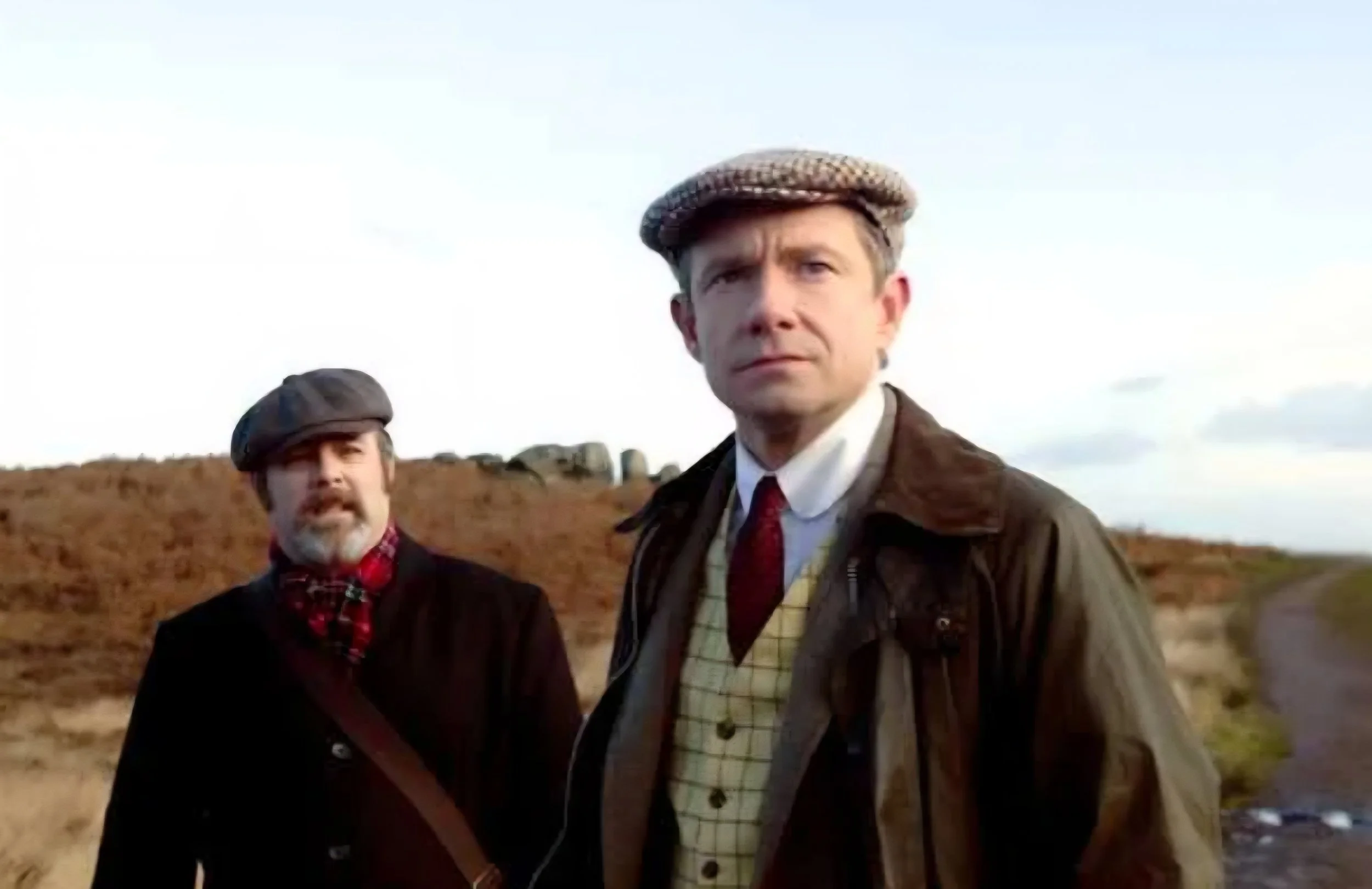
* Martin Freeman (Mike Priddle): Freeman is superb as the polished, wealthy financier of the third story. He utilizes his natural affability to disarm the viewer, only to twist it into something cold and menacing. His delivery is razor-sharp, shifting from casual conversation to terrifying intensity in the blink of an eye.
The Sonic Landscape: Frank Ilfman’s Magnificent Score:
No horror film can succeed without the right auditory atmosphere, and the music score composed by Frank Ilfman is, simply put, magnificent.
Ilfman shuns the generic "droning" sounds of modern thrillers in favor of a rich, orchestral score that harkens back to the glory days of Hammer Horror. It is elegant yet oppressive, using strings and brass to build a sense of impending doom. The music becomes a character in itself, knowing exactly when to swell to a crescendo and, more importantly, when to fall silent. It wraps the film in a gothic texture that elevates the production value to a cinematic art form.
The Brilliant Ending:
To spoil the ending of Ghost Stories would be a crime, but it must be praised. The finale is a stroke of narrative brilliance that recontextualizes everything that came before it. It moves beyond simple "twists" and delves into profound psychological territory.
The conclusion is not just shocking; it is emotionally resonant. It ties the three seemingly disparate stories together with a logic that is both heartbreaking and horrifying. It forces the audience to re-examine the clues they missed, turning the film from a ghost story into a tragedy about the human mind. It is a finale that demands an immediate re-watch.
The Verdict:
Ghost Stories is a triumph. With Andy Nyman’s guiding hand, career-best performances from Whitehouse, Lawther, and Freeman, and Frank Ilfman’s haunting score, it is a perfect storm of filmmaking. It is witty, terrifying, and deeply moving—a modern classic that proves the most haunting ghosts are the ones we carry with us.
Review by Emily Faulkner.
Movie Review:
From Hell (2001)
A Crimson Masterpiece: “FROM HELL” - (2001) - Reimagining the Ripper:
While many adaptations of the Jack the Ripper legend stumble into the realm of tawdry exploitation, the Hughes Brothers’ 2001 film From Hell stands as a hauntingly beautiful exception.
Drawing loosely from Alan Moore and Eddie Campbell’s graphic novel, the film transcends the "whodunnit" genre to become a lush, atmospheric meditation on urban decay and systemic corruption.
As someone who spent years analyzing the intersection of Gothic aesthetics and Victorian sociopolitics during my Master’s, I find this film to be an absolute triumph of mood and visual storytelling.
The Performances: Depth in the Fog:
Johnny Depp delivers a masterfully restrained performance as Inspector Frederick Abberline. He avoids the "super-sleuth" tropes, instead portraying Abberline as a man burdened by psychic intuition and an opium-induced haze. It’s a delicate balance of vulnerability and intellect.
Opposite him, Heather Graham provides the film’s emotional heartbeat as Mary Kelly. While some critics at the time debated the authenticity of the accents, Graham captures the desperate, defiant humanity of the Whitechapel women.
However, it is Ian Holm who truly steals the screen; his performance is a masterclass in nuance, shifting seamlessly from paternal warmth to something far more chilling.
Direction and the "Hell" of London:
The Hughes Brothers—primarily known for their gritty, contemporary urban dramas—brought a startlingly fresh eye to 1888 London. By filming in Prague, they recreated a Whitechapel that feels claustrophobic, blood-soaked, and perpetually shrouded in a sunset that looks like an open wound.
Their direction treats the city itself as a character. The use of deep reds and oppressive blacks creates a visceral, expressionistic landscape that mirrors the internal state of the characters. It isn't just a historical setting; it’s a fever dream.
The Auditory Experience: Trevor Jones’ Score:
We cannot discuss the impact of From Hell without praising Trevor Jones. His musical score is nothing short of perfection. By blending traditional orchestral arrangements with dark, industrial electronic undertones, Jones bridges the gap between the 19th-century setting and a modern cinematic sensibility.
* The Main Theme: A sweeping, melancholic melody that evokes the tragedy of the "unfortunates."
* The Tension: Use of low-frequency drones that mirror Abberline’s opium visions.
* The Climax: A frantic, percussive energy that drives the film toward its inevitable, heartbreaking conclusion.
Final Thoughts:
My partner recommended this film to me, and although I had heard of it, I was reluctant to watch it at first due to hearing of the high level of gore supposedly featured.
However, although very brutal in parts, the narrative somewhat demands it to be.
This is, after all, a depiction of a serial killer and not your casual bedtime story!
From Hell is more than a thriller; it is a meticulously crafted piece of media that understands the power of the "Gothic Sublime." It’s a film where the locations breathe, the music bleeds, and the performances linger long after the credits roll. If you seek a film that prioritizes atmosphere and artistic intent over mere shock value, this is a masterpiece waiting to be revisited.
Rating: ★★★★½
Note : After watching this, I will next turn my attention to seeing the 1988 version of ‘Jack The Ripper’ featuring Michael Caine, so watch this space!
By Emily Faulkner, M.A.
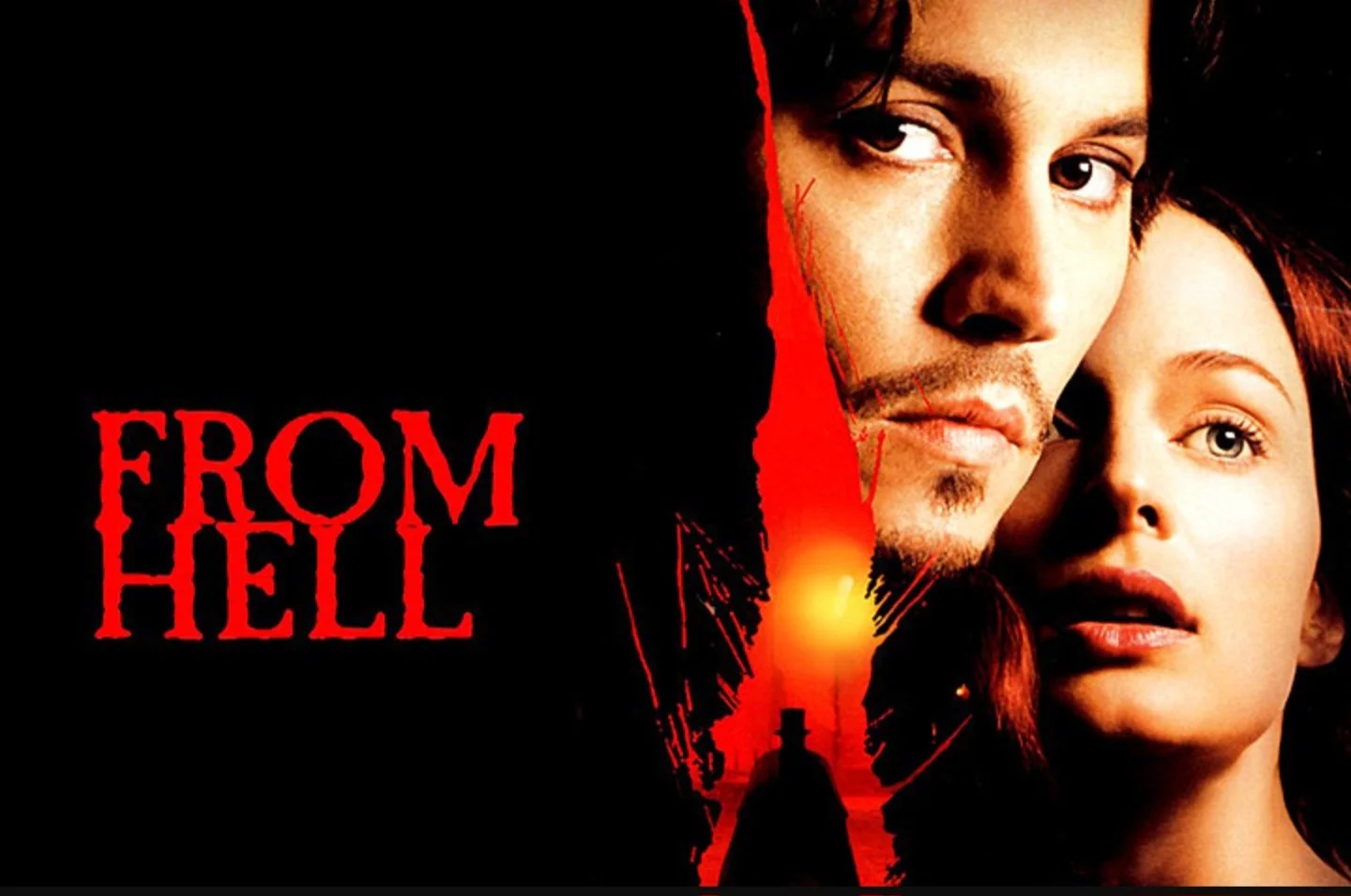
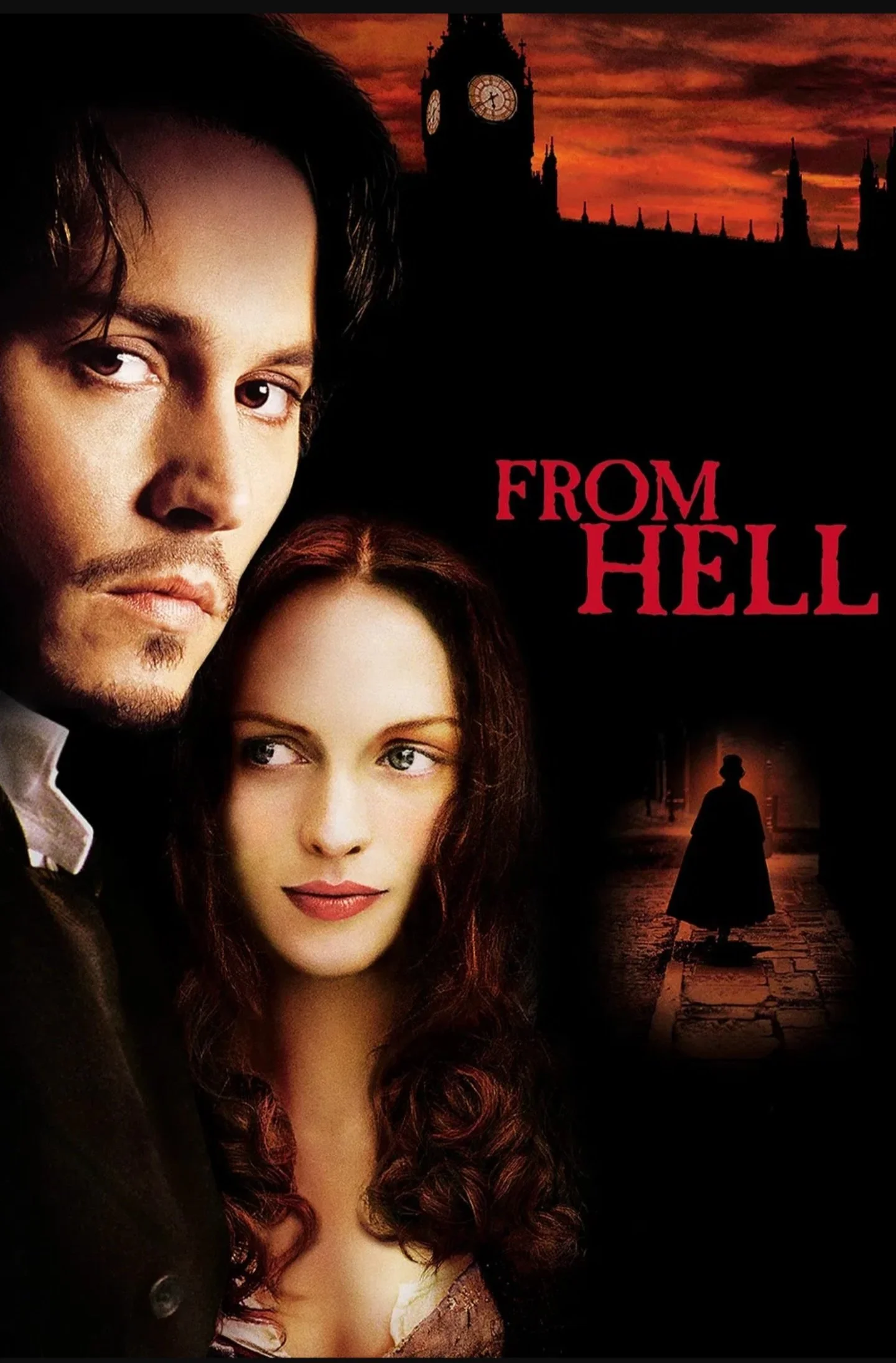
IMAGES © 2001 Twentieth Century Fox
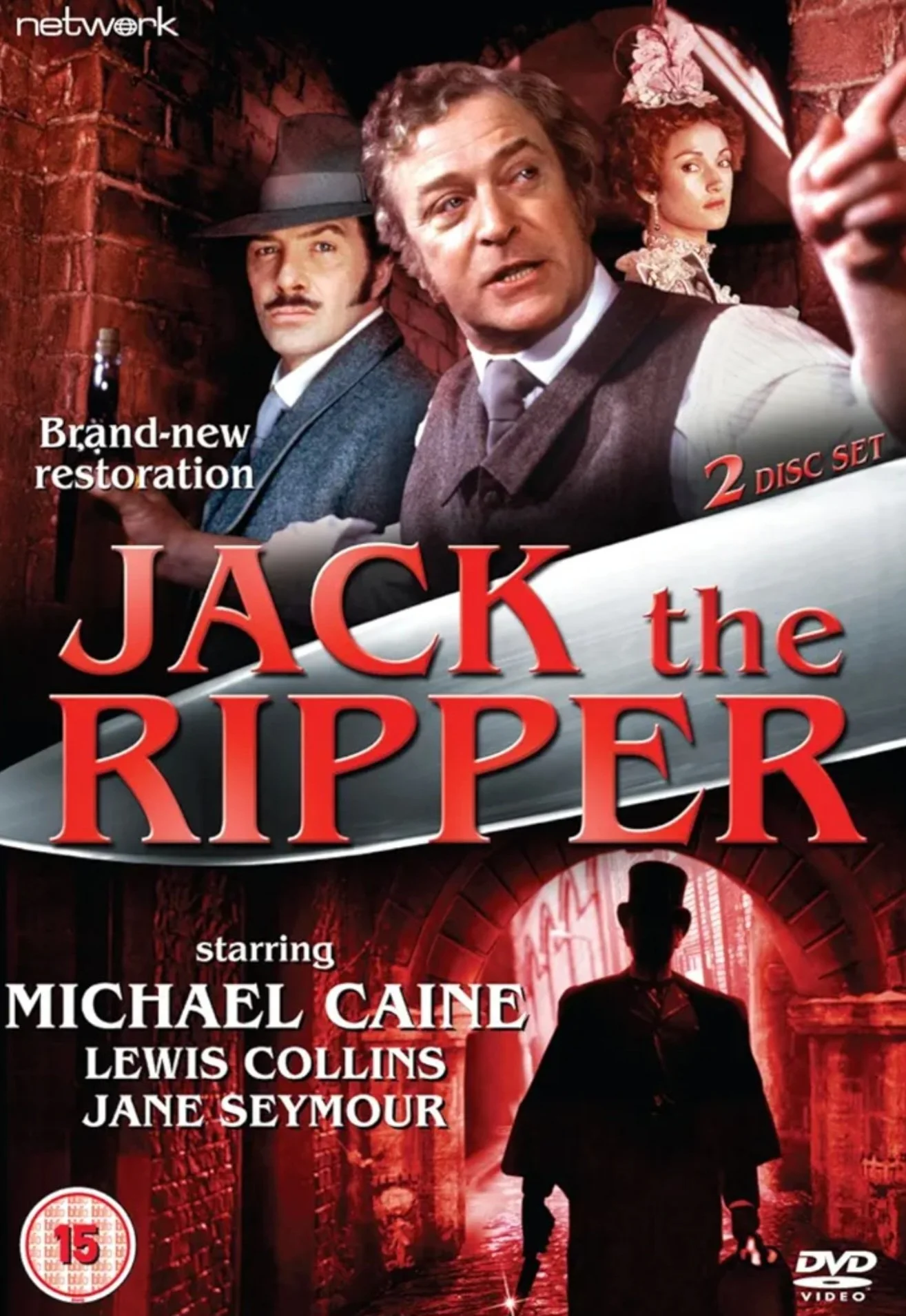
Shadows, Fog, and the Final Verdict: A Retrospective on Jack the Ripper (1988)
By Emily Faulkner, M.A.
After watching the 2001 Film, “From Hell”, I was eager to keep the momentum going with all things 1888, so my partner recommended this gem from 1988 - Ironically, made 100 years after the events in Whitechapel…
In the lexicon of true crime drama, few productions have managed to capture the public imagination quite like the 1988 centenary mini-series, Jack the Ripper.
Directed by David Wickes, this production did not merely recount the gruesome events of the Autumn of Terror; it immersed us in the very soot and grime of Victorian London. Nearly four decades later, it remains the gold standard of historical procedural—a masterclass in acting, atmosphere, and production design that has yet to be surpassed.
A Casting Coup:
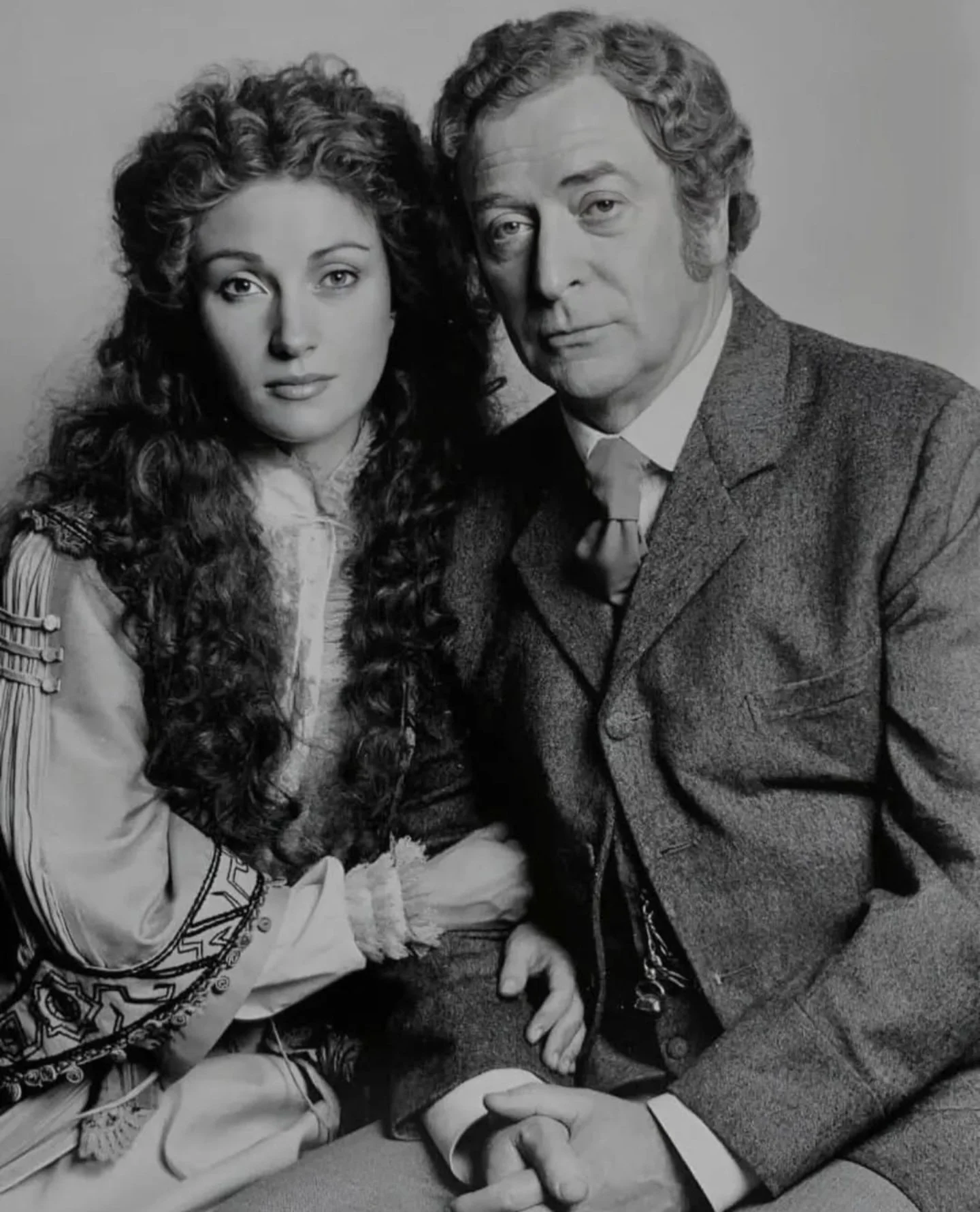
At the heart of this triumph is, unequivocally, Sir Michael Caine.
As Chief Inspector Frederick Abberline, Caine offers a performance of profound gravity and weariness. He eschews the histrionics often associated with the genre, instead presenting Abberline as a man crumbling under the weight of a city’s sins. His portrayal is grounded, empathetic, and utterly commanding, anchoring the narrative even as the hysteria of Whitechapel spirals out of control.
He is matched beat-for-beat by Lewis Collins as Sergeant Godley. Collins, often underutilized in his career, delivers a performance of stoic brilliance here. His Godley is the perfect foil to Caine’s Abberline—loyal, tough, and physically imposing, yet capable of nuanced skepticism. Their chemistry feels lived-in, a partnership forged in the hard-drinking canteens of the Metropolitan Police.
The supporting cast is equally stellar. Jane Seymour is radiant yet tragic as Emma Prentiss, bringing a necessary warmth and artistic sensibility that contrasts sharply with the cold cobblestones of the East End. Even in smaller roles, the casting is inspired.
Gary Shail, specifically, deserves praise for his portrayal of Billy White. In a role that could easily have been a caricature of an East End pimp, Shail injects a menacing, street-smart vitality that adds a layer of authentic danger to the proceedings. The ensemble works together like a finely tuned orchestra, leaving no scene bereft of tension.
The Fabric of 1888:
Visually, the series is a feast. The costume design is nothing short of exquisite, capturing the rigid stratification of Victorian society. From the starch of the upper classes to the frayed shawls of the unfortunate women of Whitechapel, the wardrobe tells a story of class warfare as vividly as the script does.
This visual splendor is bolstered by the inspired choice of shooting locations. While one might assume the production was filmed in the modern remnants of East London, the decision to utilize the preserved Georgian streets of Belper, Derbyshire, and other period-correct locations was a stroke of genius. The architecture looms over the characters, claustrophobic and authentic, allowing the fog—so central to the Ripper mythos—to cling to the brickwork in a way that feels genuinely suffocating. The production design creates a tactile world where you can almost smell the gin and the coal smoke.
A Symphony of Terror:
Special mention must be reserved for the auditory experience. John Cameron’s score is, simply put, haunting. It moves away from the expected Gothic orchestral swells, utilizing a rock-infused, saxophone-heavy motif that feels anachronistic yet emotionally perfect. The music underscores the panic and the modernity of the media frenzy that surrounded the murders, bridging the gap between 1888 and the 1988 audience. It is a score that lingers in the mind long after the credits roll.
The Writing:
The script weaves a complex tapestry of the Royal Conspiracy theory. While historians may debate the veracity of the "Sir William Gull" thesis, as a narrative device, it is unparalleled. The writing balances the procedural mechanics of the investigation with the grand, operatic tragedy of the victims. It treats the women not merely as props for gore, but as human beings caught in an indifferent system.
Conclusion:
Jack the Ripper (1988) is not just a mini-series; it is a piece of television history. It combines a literate, intelligent script with career-best performances from Caine and Collins, wraps them in impeccable period detail, and scores them with a haunting melody. It is a production that respects the intelligence of its audience, refusing to rely on cheap jump scares, instead building a pervasive sense of dread.
Brilliant, bold, and beautifully executed, it remains the definitive screen depiction of the Whitechapel murders.
Written by : Emily Faulkner.
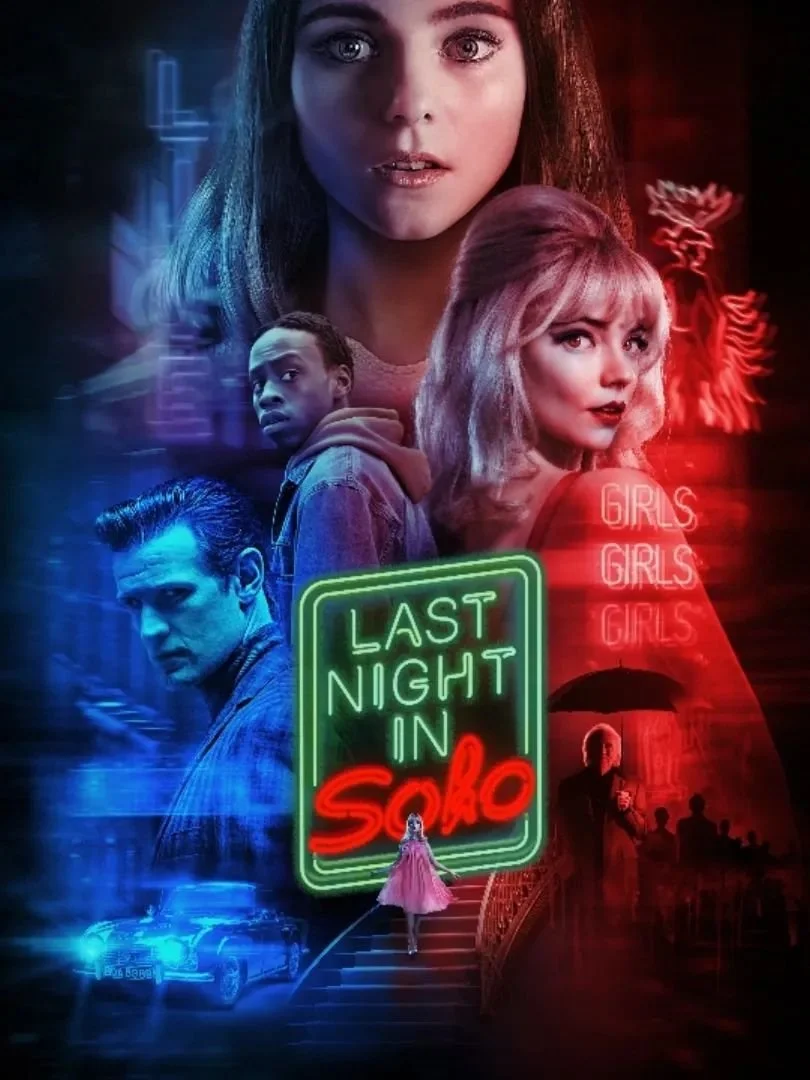
Neon Dreams and Midnight Screams: A Masterpiece of Giallo-Infused Nostalgia:
LAST NIGHT IN SOHO:
Review by Emily Faulkner, M.A.
Rating: ★★★★★
Edgar Wright’s Last Night in Soho is not merely a film; it is a sensory séance. As a piece of cinema, it operates on a frequency that is both dazzlingly glamorous and terrifyingly visceral. It serves as a love letter to the Swinging Sixties, only to slowly peel back the gold leaf to reveal the rot underneath.
For the cinephile and the casual viewer alike, this is a masterclass in psychological horror that refuses to be forgotten.
A Dazzling Visual Feast:
We must begin with the visual language, which is, in a word, dazzling.
The cinematography by Chung-hoon Chung is a kaleidoscope of neon blues and warning reds, capturing the wet pavement of Soho with a beauty that borders on the hallucinogenic.
The camera work is a technical marvel, particularly in the dance sequences where the two female leads swap places effortlessly in unbroken shots. The use of mirrors is not just a stylistic choice but a narrative device, reflecting the fractured identities at the film's core. It is a visual feast that demands to be seen on the biggest screen possible.
The Storyline: A Critique of Nostalgia:
The narrative follows Eloise (Thomasin McKenzie), an aspiring fashion designer with a sixth sense for the beyond, who moves from rural Cornwall to the bustle of London. Overwhelmed by modern student life, she retreats to a rented room in Soho, where her dreams transport her back to 1966.
There, she vicariously lives through Sandie (Anya Taylor-Joy), a confident aspiring singer.
What begins as a starry-eyed fantasy—sipping Vesper Martinis and dancing at the Café de Paris—descends into a waking nightmare.
Wright’s writing (co-authored with Krysty Wilson-Cairns) is brilliant in how it weaponizes nostalgia.
The film initially seduces us with the style of the 60s, only to trap us in its misogyny and exploitation. The plot is a tight, twisting unraveling of a murder mystery that deftly subverts the "damsel in distress" trope.
The third-act revelation recontextualizes everything we have seen, turning a ghost story into a tragic commentary on survival and the scars of the past.
Powerhouse Performances:
The casting is near neon perfect
* Thomasin McKenzie anchors the film with profound vulnerability and grit. Her transformation from a wide-eyed innocent to a haunted, desperate woman is captivating.
* Anya Taylor-Joy is luminous as Sandie. She possesses an ethereal star power that makes it entirely believable that everyone in the room would stop to look at her, yet she layers this with a heartbreaking fragility.
* Matt Smith delivers a chilling performance as Jack, balancing charisma and menace with terrifying ease
* Terence Stamp brings a gravitas to the role of the Silver Haired Gentleman, offering a performance that is both ominous and ultimately deeply tragic.
* Dame Diana Rigg, in her final screen role, is magnificent as Ms. Collins. She commands every frame she is in, delivering a performance of biting wit and hidden depths that serves as a fitting curtain call for a legendary career.
The Soundscape of Soho:
The auditory experience of this film is as vital as the visual. The soundtrack is a curated masterpiece of 60s pop—Cilla Black’s "You’re My World" and Petula Clark’s "Downtown" are used to haunting effect, their upbeat tempos curdling into something sinister as the context shifts.
Complementing these needle drops is the original score by Steven Price. It is a thrumming, anxious accompaniment that bridges the gap between the two eras, escalating the tension until the audience is as breathless as Eloise.
Verdict:
Last Night in Soho is a triumph. It is a ghost story, a thriller, and a tragedy wrapped in high-fashion silk. It confronts the dark underbelly of the past while celebrating the resilience of those who survived it. With its impeccable direction, stunning cinematography, and a cast playing at the very top of their game, it is an instant classic.
Emily Faulkner.